Top 5 Best Ecommerce Accounting Software [2026 Guide]
Written by: Geoffrey Gualano
January 5, 2026 • 8 min read
You’ve likely found this post due to one of two reasons:
- You’ve started an ecommerce business, are growing, and thinking about your accounting and taxes. Congrats!
- You’ve been selling on Shopify, Amazon, eBay, Etsy, Walmart, and other online sales channels, and you’re finding that your current accounting system can’t support the complexities that come with ecommerce.
Good news. As ecommerce accounting technologists, we’ll use this post to walk you through what’s available in the market today, plus key considerations depending on your type of business. We’ll also outline integration apps that help make the ecommerce accounting process smoother and more automated.
This guide compares QuickBooks Online, Xero, Sage Business Cloud Accounting, and NetSuite for ecommerce sellers who sell on Shopify, Amazon, eBay, Etsy, and Walmart. We’ll also cover how an ecommerce accounting integration app like A2X helps reconcile marketplace payouts by categorizing sales, fees, refunds, and taxes into your general ledger.
If you want advice on the best ecommerce accounting software for your business from a certified ecommerce accounting professional, you can find one on the A2X Directory.
Key takeaways
- The right ecommerce accounting software depends on your business needs. QuickBooks Online, Xero, Sage, and NetSuite each have strengths depending on your business’s characteristics. Matching the right software to your business size and complexity ensures long-term efficiency.
- Scalability matters – choose software that grows with you. You might not be selling on multiple channels or in multiple geographies today, but if you plan to expand, pick accounting software that can handle multi-currency, global tax compliance, inventory management, and more.
- Integrations make or break your workflow. Even the best accounting software benefits from automation. Tools like A2X eliminate manual reconciliation, streamline sales tax tracking, and help ensure accurate cost-of-goods reporting, saving hours every month and improving confidence in your numbers.
- Cost vs. value – pick a tool that won’t hold you back. Wave and Zoho can work for smaller sellers, but growing businesses often need the reporting depth and automation-friendly ecosystems of QuickBooks Online, Xero, Sage, or NetSuite. Investing earlier can reduce the risk of messy migrations later.
How to choose ecommerce accounting software
Before you decide, ask these questions:
- Where do you sell? Shopify, Amazon, eBay, Etsy, Walmart, or a mix?
- How complex are payouts? Marketplace fees, refunds, shipping income, gift cards, chargebacks, and sales tax.
- Do you need inventory support? Especially if you manage multiple SKUs, bundles, or multiple warehouses.
- Do you sell internationally? Multi-currency, VAT/GST, and multi-entity consolidation can matter quickly.
- Who will maintain the books? In-house, outsourced, or a hybrid.
The best ecommerce accounting software is the one that fits your current operations while supporting where you’ll be in 12-24 months.

QuickBooks Online (QBO) for ecommerce
Why QuickBooks Online stands out
- Extensive ecosystem. QuickBooks’ large marketplace of apps and connectors, including A2X, supports diverse ecommerce needs from syncing sales to automating bank reconciliations.
- Familiar and widely supported. Many accountants and bookkeepers specialize in QuickBooks, making it easier to find help or outsource tasks.
- Scalable plans. QuickBooks offers multiple plan tiers, from entry-level to advanced, allowing businesses to scale seamlessly without switching platforms or sacrificing performance.
Who it’s well suited for
- North American ecommerce sellers who want an established, cloud-based solution that can grow with their business.
- Owners seeking a broad support network of ProAdvisors and online resources.
- Multi-channel merchants who plan to integrate data from Amazon, eBay, Walmart, and beyond through tools like A2X.
Ecommerce tip: Summarizing transactions via A2X helps avoid pushing thousands of Amazon, Shopify, and other channels’ individual orders into QuickBooks. This keeps your accounting file clean while still capturing every detail, including fees, refunds, and taxes for better visibility on your Profit & Loss Statement (P&L).
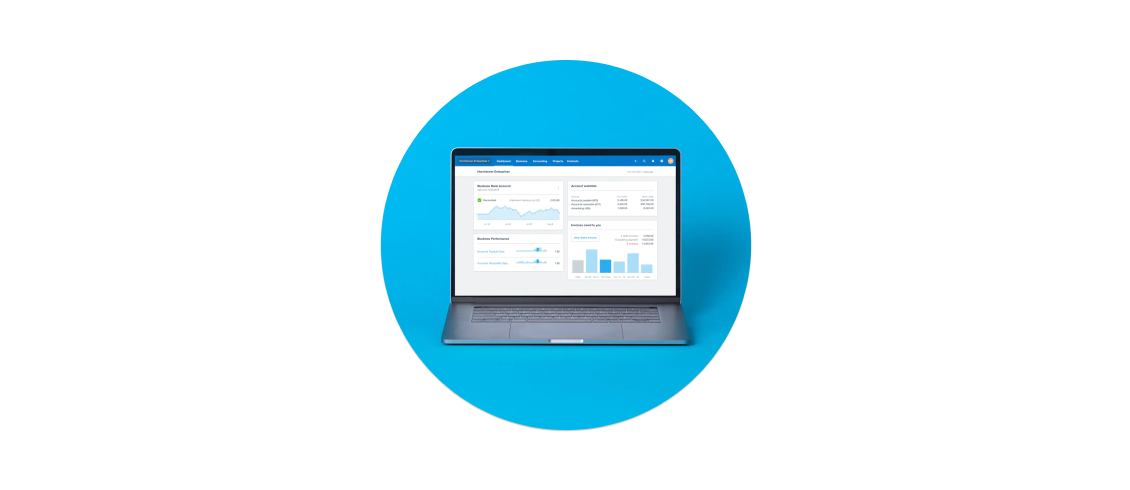
Xero for ecommerce
Why Xero stands out
- Modern, easy-to-use interface. Xero is known for its clean, intuitive design that simplifies day-to-day financial tasks.
- Global and multi-currency friendly. Xero supports international selling with automatic exchange rate updates for cross-border reporting.
- Built-in tax support for multiple regions. Strong functionality for GST (Australia, New Zealand, Canada), VAT (UK, Europe), and U.S. sales tax.
- Flexible app ecosystem. A large ecosystem of integrations, including connectors like A2X for Amazon, Shopify, eBay, Etsy, Walmart, PayPal, and more.
Who it’s well suited for
- Businesses that value a modern, user-friendly interface with less traditional accounting jargon.
- International or rapidly expanding sellers looking to handle multiple currencies.
- Team-based operations where multiple staffers need concurrent access.
Ecommerce tip: Using A2X to integrate Amazon, Shopify and other sales channels with Xero ensures that payouts are broken down into fees, refunds, shipping, and taxes. This keeps your books tidy and easy to reconcile.
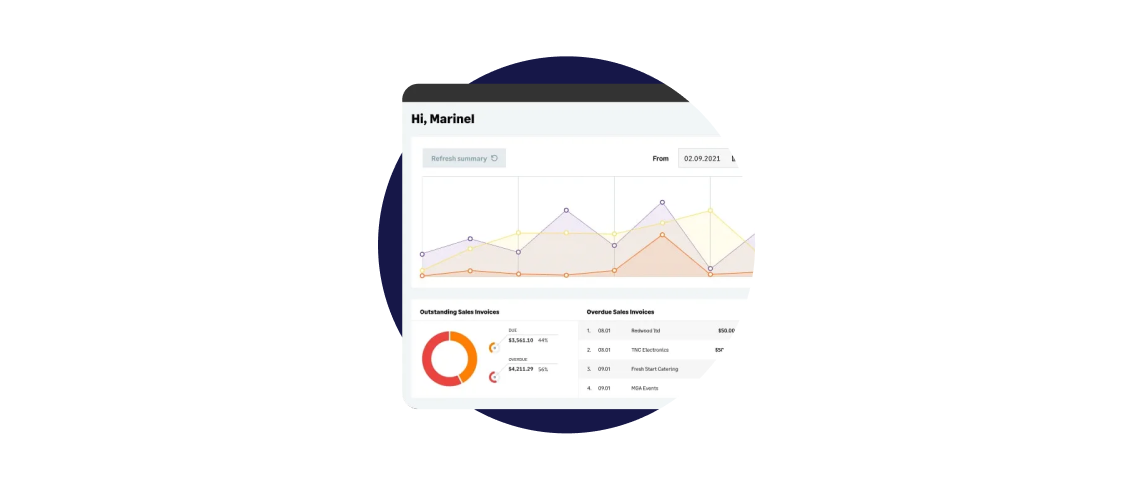
Sage Business Cloud Accounting for ecommerce
Why Sage Business Cloud stands out
- Robust inventory management. A strong fit for sellers with extensive product catalogs, multiple SKUs, or more detailed stock control needs.
- Trusted roots in the UK and Europe. Sage has long supported regional compliance like VAT and local accounting standards.
- Customizable workflows. Flexibility to adapt to different product-based business models.
Who it’s well suited for
- UK and Europe-based ecommerce merchants who want reliable accounting plus inventory features.
- Businesses needing deeper stock or order management than entry-level accounting tools typically provide.
- Merchants that prefer a traditional approach but still want cloud convenience and integrations.
Ecommerce tip: Use a connector like A2X to automatically sync multi-channel sales data with Sage. This eliminates manual data entry and ensures accurate cost-of-goods tracking, making it easier to manage inventory and profitability.
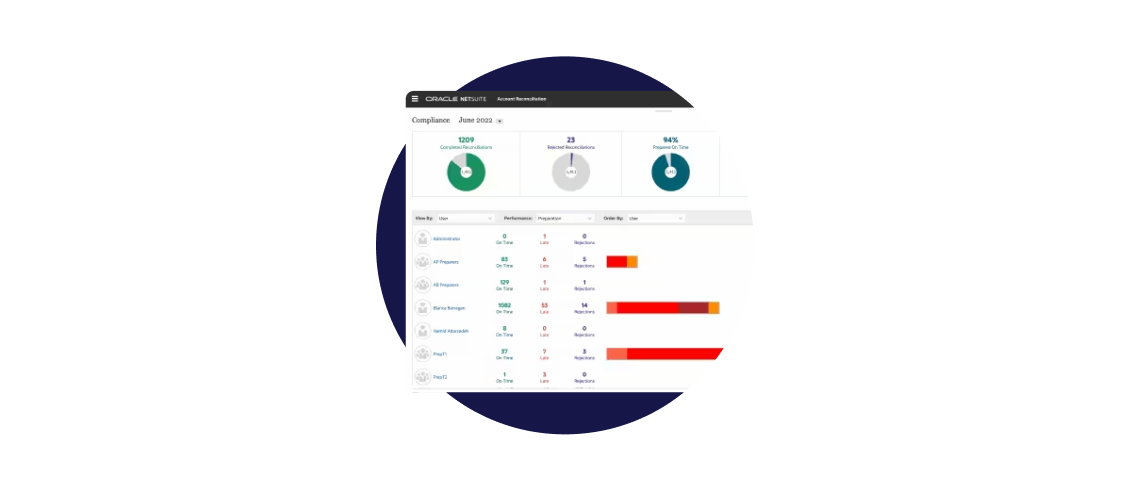
Oracle NetSuite for ecommerce
Why Oracle NetSuite stands out
- All-in-one ERP. NetSuite goes beyond standard accounting, covering order management, CRM, inventory, and more in one system.
- Enterprise-level scalability. Designed for operations spanning multiple regions, subsidiaries, and sales channels.
- Highly customizable. Tailor reporting, workflows, and approvals to match complex operations.
Who it’s well suited for
- Large and fast-scaling brands with high transaction volumes and advanced operational needs.
- Businesses requiring global compliance or multi-entity consolidation.
- Teams prepared to invest in an ERP that can support long-term growth.
Ecommerce tip: NetSuite integrates with Amazon, Shopify, and other channels, including via A2X, to accurately automate payout reconciliation. This is helpful if your brand sells across multiple marketplaces at scale.
Other notable accounting solutions for ecommerce
Some businesses start with lighter-weight tools before upgrading to more powerful accounting software. Here are a few:
- FreshBooks. Simple invoicing and expense tracking, but less built-in ecommerce functionality.
- Wave. Free for very small businesses, but lacks inventory and marketplace integrations.
- Zoho Books. Affordable and integrates well within Zoho’s suite, but limited in ecommerce app support.
- FreeAgent. Common for freelancers in the UK.
Most ecommerce businesses with over $100,000 in sales and growing typically find QuickBooks, Xero, Sage, or NetSuite, combined with automation tools like A2X, provide a more scalable long-term solution.
The best ecommerce accounting software leans into integrations
Why picking the right integration app matters
If you sell on multiple platforms like Shopify, Amazon, eBay, Etsy, and Walmart, reconciling payouts manually becomes time-consuming and frustrating. If you’ve ever looked at an Amazon settlement summary with hundreds of lines and transaction types, you know how difficult it is to match every fee, refund, and tax to the right category.
Integration apps like A2X automate this process, reducing manual data entry and accounting errors. Instead of sorting through spreadsheets, your sales, fees, and deposits are summarized and posted to your accounting system, helping keep your books accurate and tax-ready.
A2X integrates with QuickBooks Online, Xero, Sage, and NetSuite to automate payout reconciliation for marketplaces like Amazon, Shopify, eBay, Etsy, and Walmart. That integration relationship is the key to getting clean books without importing every individual order.
Native vs. specialized integrations for ecommerce
Some accounting platforms provide direct integrations for ecommerce sellers with lower transaction volumes. These native connectors can work if you’re only selling on one platform and have a limited number of monthly transactions.
However, if you plan to scale or sell across multiple channels, native integrations often fall short. They may not fully categorize fees, taxes, or refunds, leading to manual adjustments and missing financial detail.
A specialized tool like A2X helps by categorizing transaction components so your books match your deposits down to the penny.
Why leading businesses, accountants, and bookkeepers trust A2X
✅ Accurate summaries
A2X consolidates marketplace transactions into clean, organized summaries that include sales, refunds, fees, gift cards, and taxes. Instead of hundreds or thousands of transactions clogging up your books, you get neat, categorized journal entries that match the deposits on your bank feed and are easy to reconcile.
✅ Full automation
A2X reduces manual data entry by fetching payouts, breaking down transaction detail, and posting to QuickBooks Online, Xero, Sage, or NetSuite. No spreadsheets, no guesswork, just accurate ecommerce accounting.
✅ Better insights
With properly categorized financial data, you can analyze revenue, costs, and tax liabilities more easily. Your Profit & Loss Statement (P&L) reflects accurate numbers, improving confidence in decisions.
Accurately automate your ecommerce accounting with A2X
Choosing the right accounting software is essential for growing ecommerce businesses, especially for those in need of compliance AND financial visibility. Whether you need the versatility of QuickBooks or Xero, a stock-heavy solution like Sage, or an enterprise-grade ERP like NetSuite, pairing it with A2X ensures accurate, automated ecommerce accounting that you can actually trust.
✅ Ready to streamline your ecommerce accounting?
Regardless of the accounting software you choose, try A2X for free and see how automated payout reconciliation can save time, eliminate errors, give you financial visibility, and keep your books tax-ready.
Frequently Asked Questions

Save hours on your ecommerce accounting
A2X connects your sales channels and accounting software for fast and accurate monthly bookkeeping.
Try A2X today
ABOUT THE AUTHOR
Geoffrey Gualano
Geoffrey Gualano is a marketing leader with a decade of experience building B2B SaaS brands. At A2X, he leads a team of expert marketers to help ecommerce businesses, their accountants, and bookkeepers save hours while increasing the accuracy of their books with accounting automation technology.
Save hours on your ecommerce accounting
A2X connects your sales channels and accounting software for fast and accurate monthly reconciliation.
Try A2X today